Cloud Revolution: Jumpstart Your Career!
Cloud computing is no longer optional but essential. Companies are transitioning to the cloud to enhance agility, scalability, and cost-efficiency, which presents new opportunities for developers and engineers. This guide delves into the core technologies and latest trends in cloud computing, providing everything you need to thrive as a cloud expert. By acquiring cloud knowledge and applying it practically, you can significantly advance your career.

Core Concepts and Working Principles of Cloud Computing
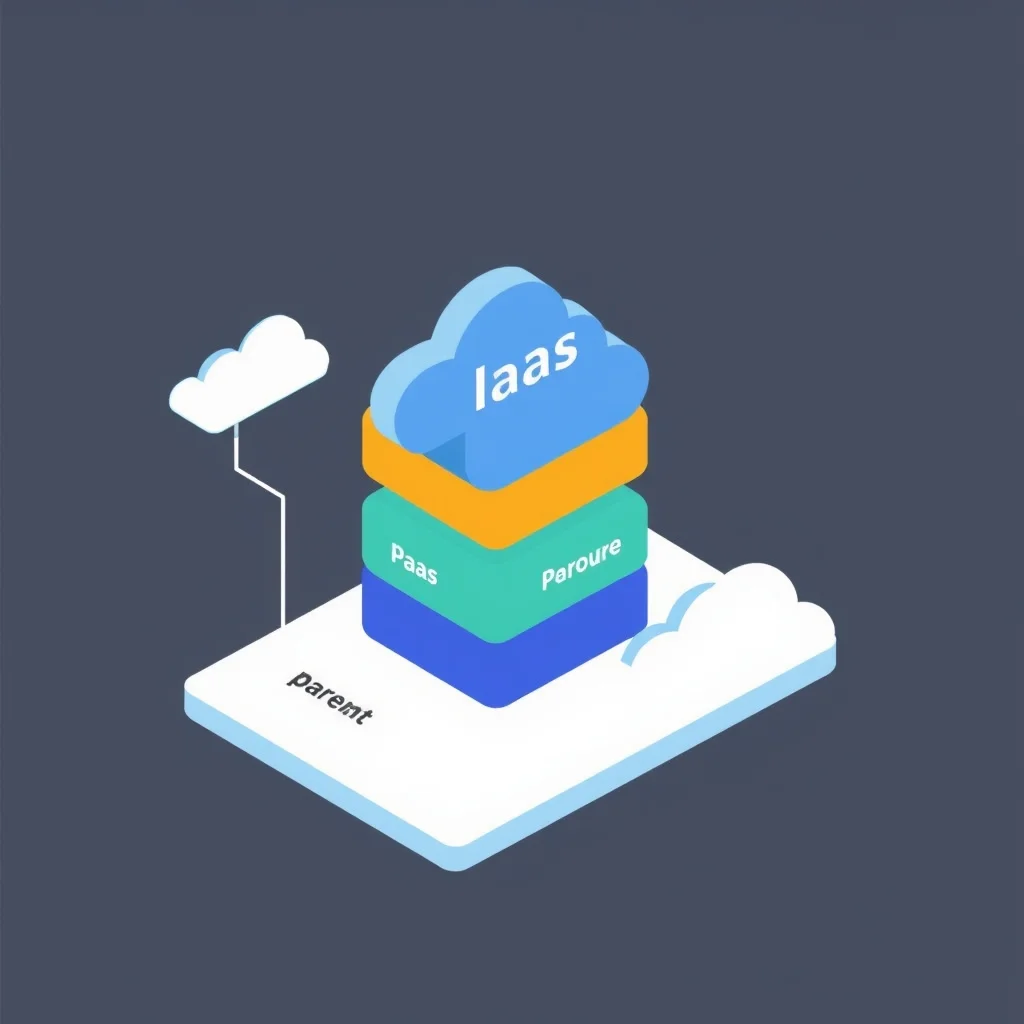
Cloud computing is a model for delivering computing resources over the internet. IaaS, PaaS, and SaaS are the main types of cloud services, each offering different levels of control and flexibility. Virtualization technology is central to cloud computing, enabling the efficient sharing and utilization of physical hardware resources.
IaaS (Infrastructure as a Service)
IaaS provides computing infrastructure such as servers, storage, and networks. Users can directly manage the operating system, middleware, and applications. Examples of IaaS services include AWS EC2, Azure Virtual Machines, and Google Compute Engine.
PaaS (Platform as a Service)
PaaS provides a platform for application development, execution, and management. Users can focus on application development without the burden of infrastructure management. Examples of PaaS services include AWS Elastic Beanstalk, Azure App Service, and Google App Engine.
SaaS (Software as a Service)
SaaS delivers applications over the internet. Users can use applications without the burden of software installation, updates, or management. Examples of SaaS services include Salesforce, Microsoft Office 365, and Google Workspace.
Latest Technology Trends in Cloud Computing
Cloud computing is constantly evolving, and staying up-to-date with the latest technology trends is crucial. Multi-cloud, hybrid cloud, container technology, and serverless computing are notable trends. The construction and utilization of Edge AI is expected to expand further in 2024.
Practical Code Example (Python)
This example demonstrates how to upload a file to an S3 bucket using the AWS SDK for Python (Boto3).
import boto3

s3 = boto3.resource('s3')

BUCKET_NAME = 'your-bucket-name'
FILE_PATH = 'path/to/your/file.txt'
KEY = 'file.txt'

try:
    s3.Bucket(BUCKET_NAME).upload_file(FILE_PATH, KEY)
    print(f'{FILE_PATH} has been uploaded to {BUCKET_NAME}/{KEY}')
except Exception as e:
    print(e)
The above code provides a simple example of uploading a file to an AWS S3 bucket using Boto3. Modify the BUCKET_NAME, FILE_PATH, and KEY variables accordingly.
Real-World Application Examples by Industry
Financial Industry
Financial companies use cloud computing to perform tasks such as data analysis, fraud detection, and risk management. Why is the cloud essential? It provides an environment for efficiently processing and analyzing large-scale data and offers security features for regulatory compliance.
Healthcare Industry
Healthcare companies use cloud computing to manage patient data, provide remote healthcare, and conduct medical research. Why is the cloud essential? It provides a secure environment for storing and sharing patient data, enabling healthcare professionals to access data anytime, anywhere.
Manufacturing Industry
Manufacturing companies use cloud computing to perform tasks such as production management, quality control, and supply chain management. Why is the cloud essential? It provides an environment for analyzing and predicting production data in real-time, increasing production efficiency and reducing costs.
Expert Insights
💡 Technical Insight
✅ Checkpoints for Technology Adoption: When selecting cloud services, consider cost, performance, security, and regulatory compliance. It is also important to secure personnel with expertise in cloud environments.
✅ Lessons Learned from Failures: Adequate planning and preparation are necessary when transitioning to the cloud. Compatibility with existing systems, data migration, and security issues should be reviewed in advance.
✅ Technology Outlook for the Next 3-5 Years: Cloud computing is expected to evolve into more intelligent and automated services. Furthermore, multi-cloud and hybrid cloud environments will become more widespread, and cloud-native application development will become increasingly important.
Conclusion
Cloud computing is a core technology of modern IT infrastructure, offering many benefits to businesses and individuals. This guide has explored the core concepts, latest trends, and practical application examples of cloud computing. By acquiring cloud knowledge and applying it practically, developers and engineers can advance their careers. Cloud computing is a key driver of the future IT industry, and we look forward to your active participation. By adapting to the constantly changing cloud environment and leading innovation, you can become a future IT expert.